Baby gear, reviewed like hardware

Pick the right gear at 3 a.m., in five seconds.

Hands-on reviews of monitors, bottles, gates, thermometers and more — the specs that matter, the trade-offs nobody mentions, and a clear verdict on every pick.

Coverage
181 picks
  • Baby Safety22 guides · 94
  • Feeding18 guides · 71
  • Toys & Learning2 guides · 11
  • Baby Health1 guide · 5
Buying guides
43
Products vetted
181
Categories
04
Last updated
Oct 2026
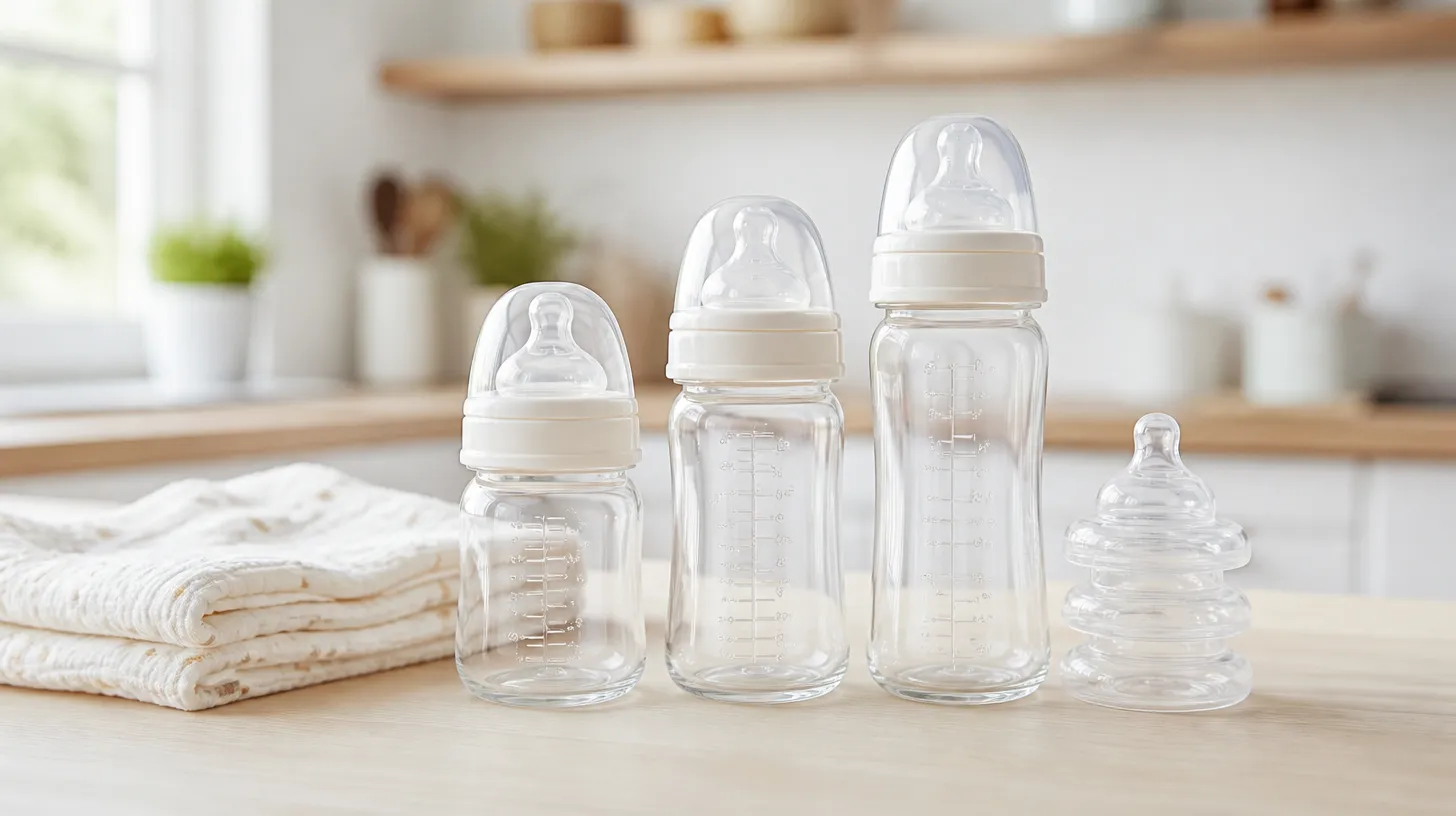
FeaturedThree clean baby bottles of ascending size on a pale wooden kitchen counter with their volume markings visible, a folded muslin cloth and spare nipples alongside
Latest review/ Feeding

How Many Ounces Should a Newborn Drink? Ounces Per Feed by Age

The CDC starts a formula-fed newborn at 1 to 2 ounces every 2 to 3 hours, and the AAP puts the first-month figure at 3 to 4 ounces a feed with a 24-hour ceiling near 32 ounces. Here is the sourced chart for every band from day one to twelve months, plus the diaper count that tells you more than the chart does.
Updated ·3 picks·14 min
Free tools
All reviews
FeedingCover Image for How to Bottle Feed a Newborn

How to Bottle Feed a Newborn

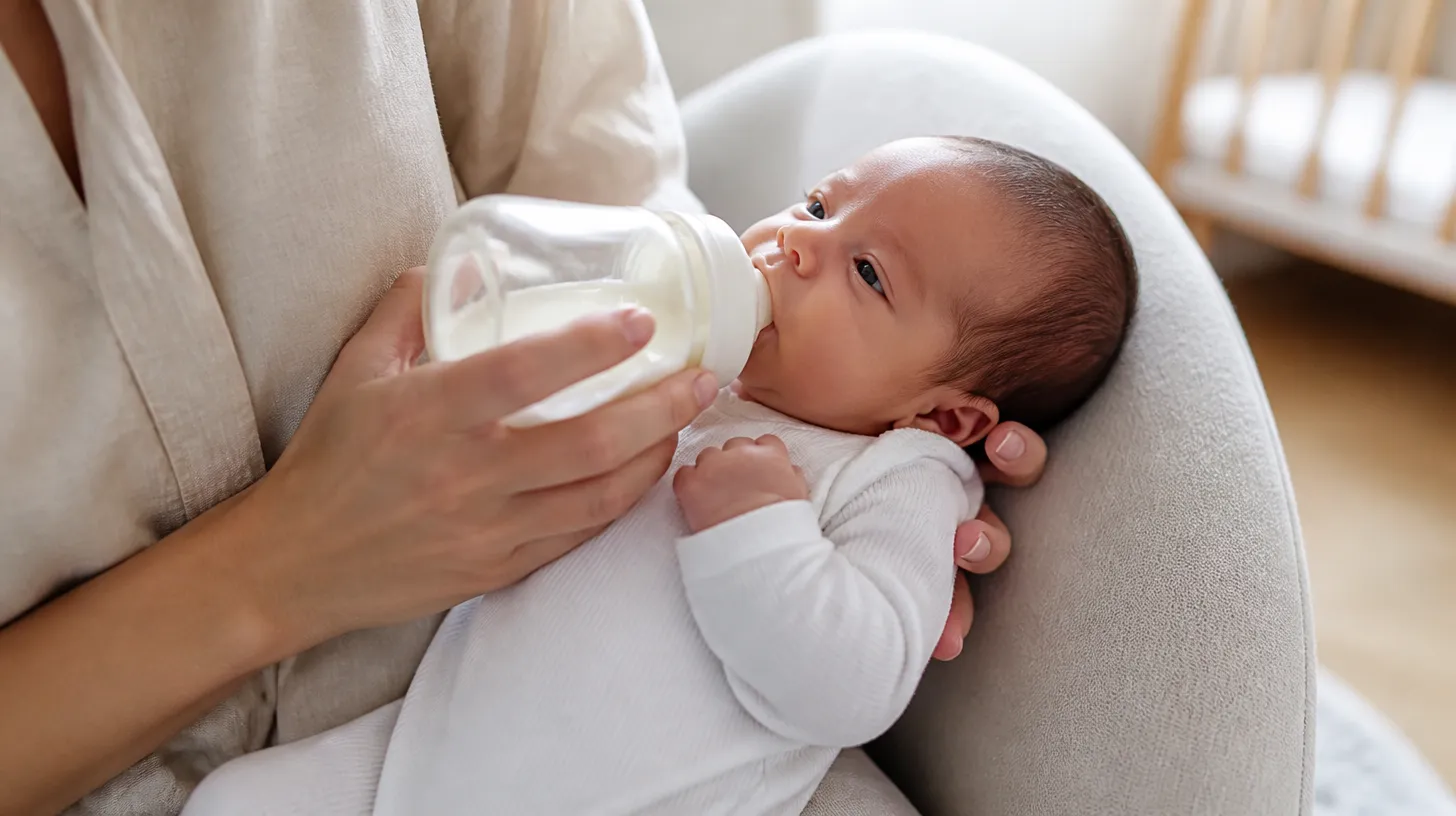
Semi-upright baby, bottle close to level, slowest nipple in the box, and you stop when the baby stops rather than when the bottle is empty. The AAP puts a first-week feed at no more than about 1 to 2 ounces. Here is the whole arc, from the first bottle to the last one, with the safety numbers worth knowing by heart.

Updated Oct 20263 picksRead →
FeedingCover Image for Paced Bottle Feeding: How to Do It, and Why It Matters

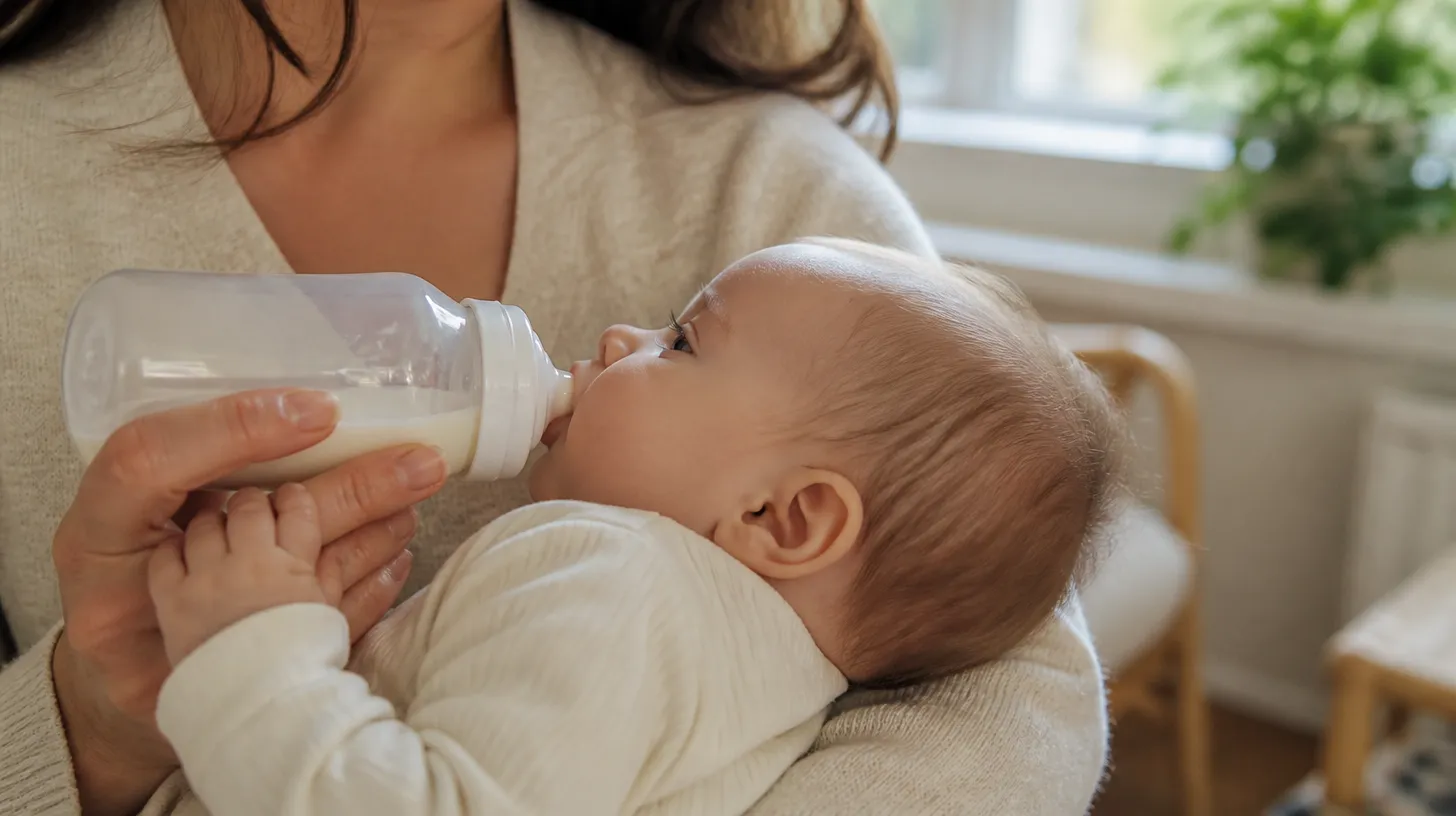
Paced Bottle Feeding: How to Do It, and Why It Matters

Hold the baby near-upright, keep the bottle close to horizontal, pause every few swallows, and stop when they signal they are finished instead of when the bottle is empty. Published guides put a full paced feed at 15 to 30 minutes, and one study of 26 nipple types found milk flow ranging from under 2 to over 85 millilitres a minute.

Updated Oct 20263 picksRead →
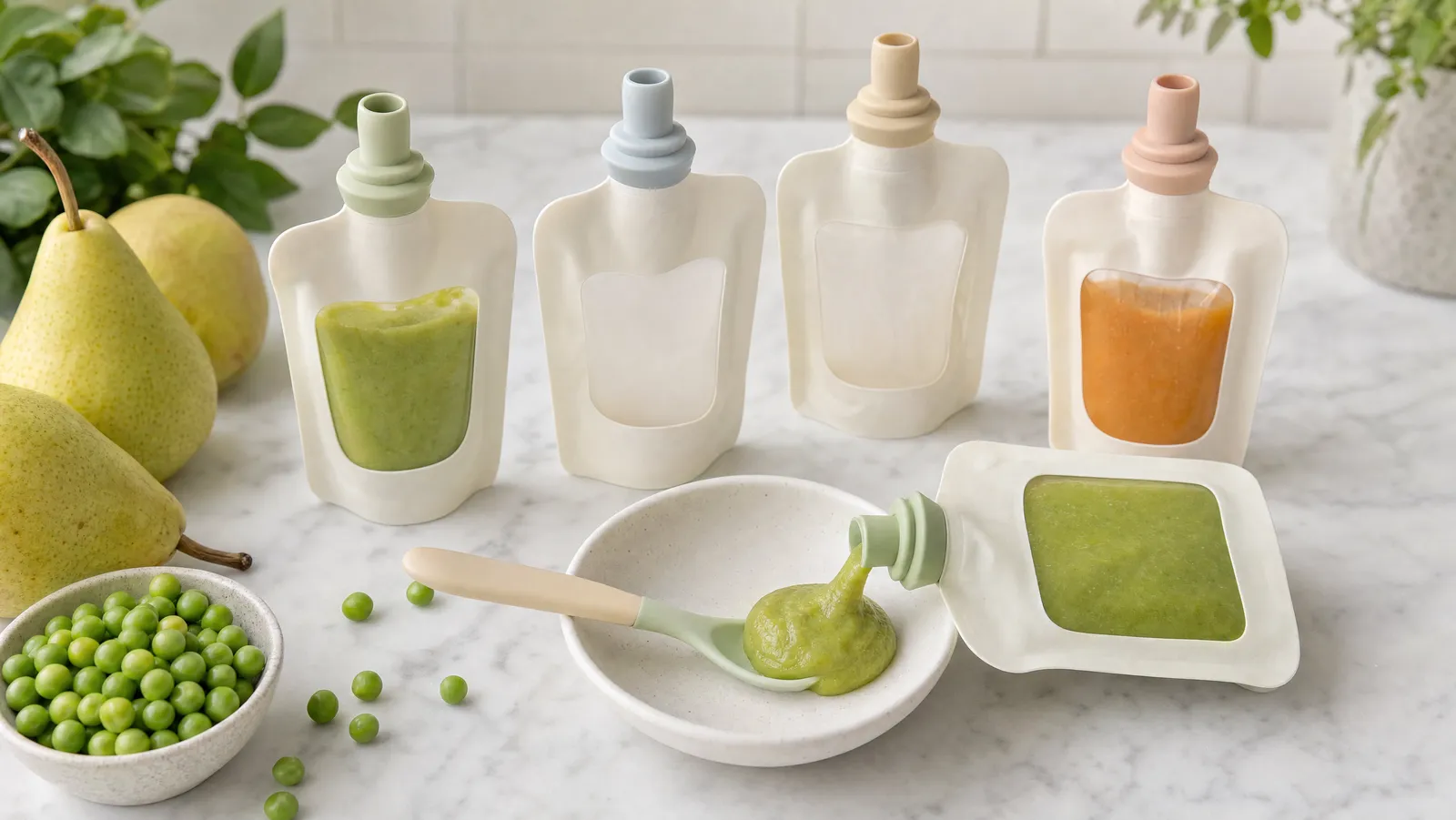
FeedingCover Image for Baby Food Pouches: Useful, and Easy to Overuse

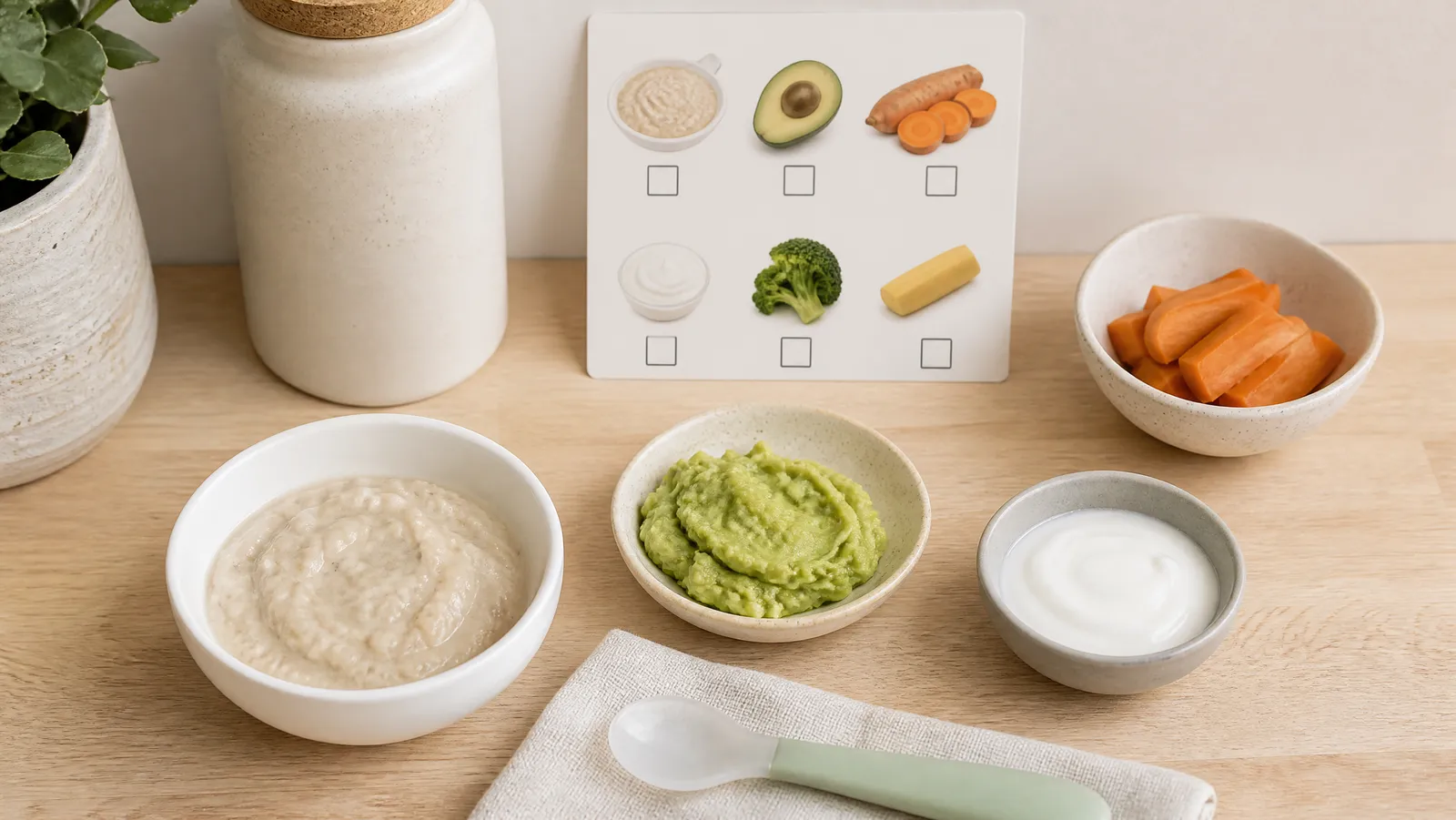
Baby Food Pouches: Useful, and Easy to Overuse

No, pouches are not bad, and a pouch in the diaper bag is not a moral failure. Three habits are what turn a convenient food into a problem — and the fix for the biggest one takes four seconds and a spoon.

Updated Oct 20266 picksRead →
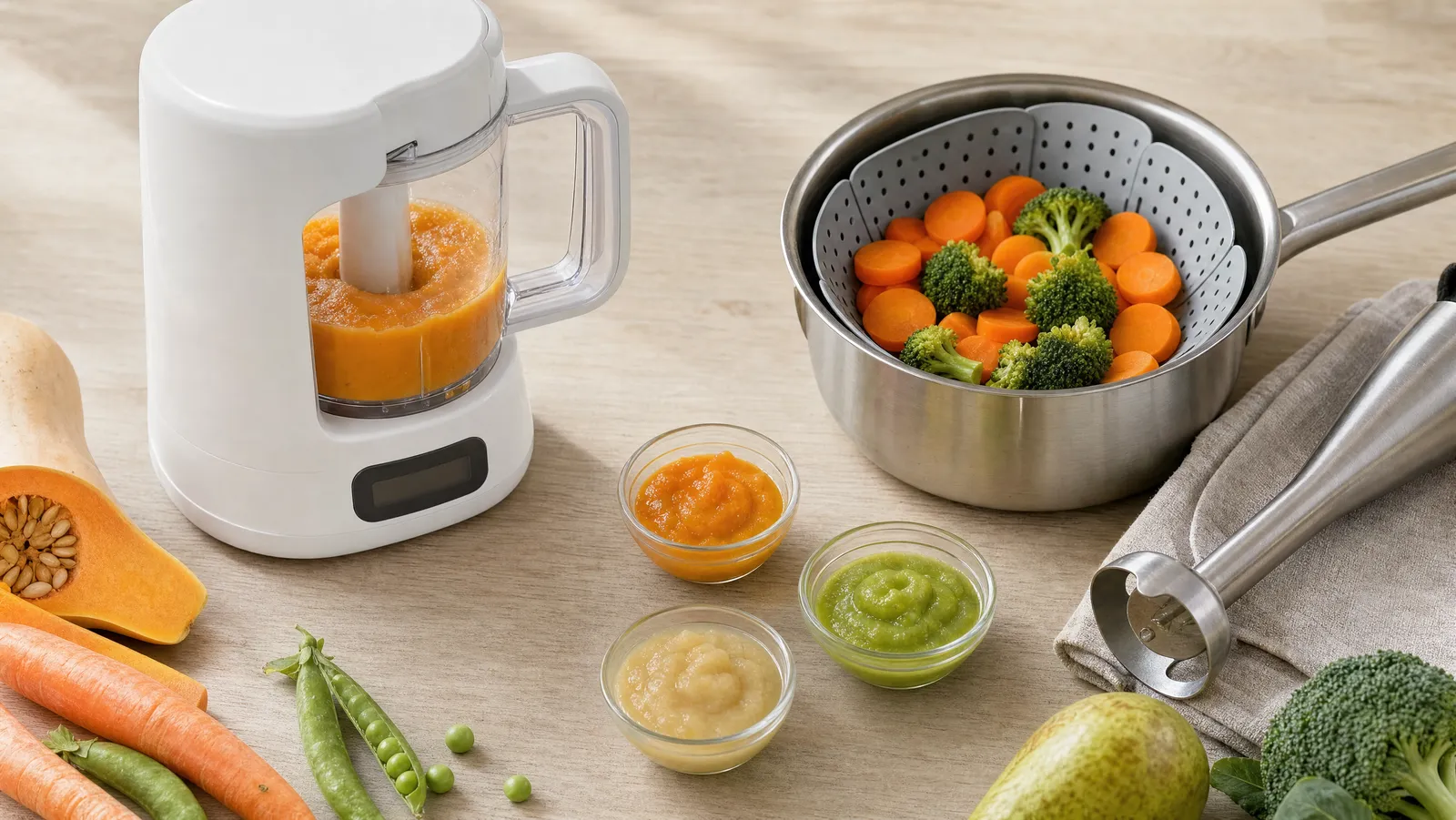
FeedingCover Image for Do You Actually Need a Baby Food Maker?

Do You Actually Need a Baby Food Maker?

For most families the answer is no — a silicone steamer basket and a cheap immersion blender steam and puree just as well, cost about a third as much, and outlive weaning by a decade. Here is the arithmetic, plus the four situations where a dedicated machine genuinely earns its price.

Updated Oct 20266 picksRead →
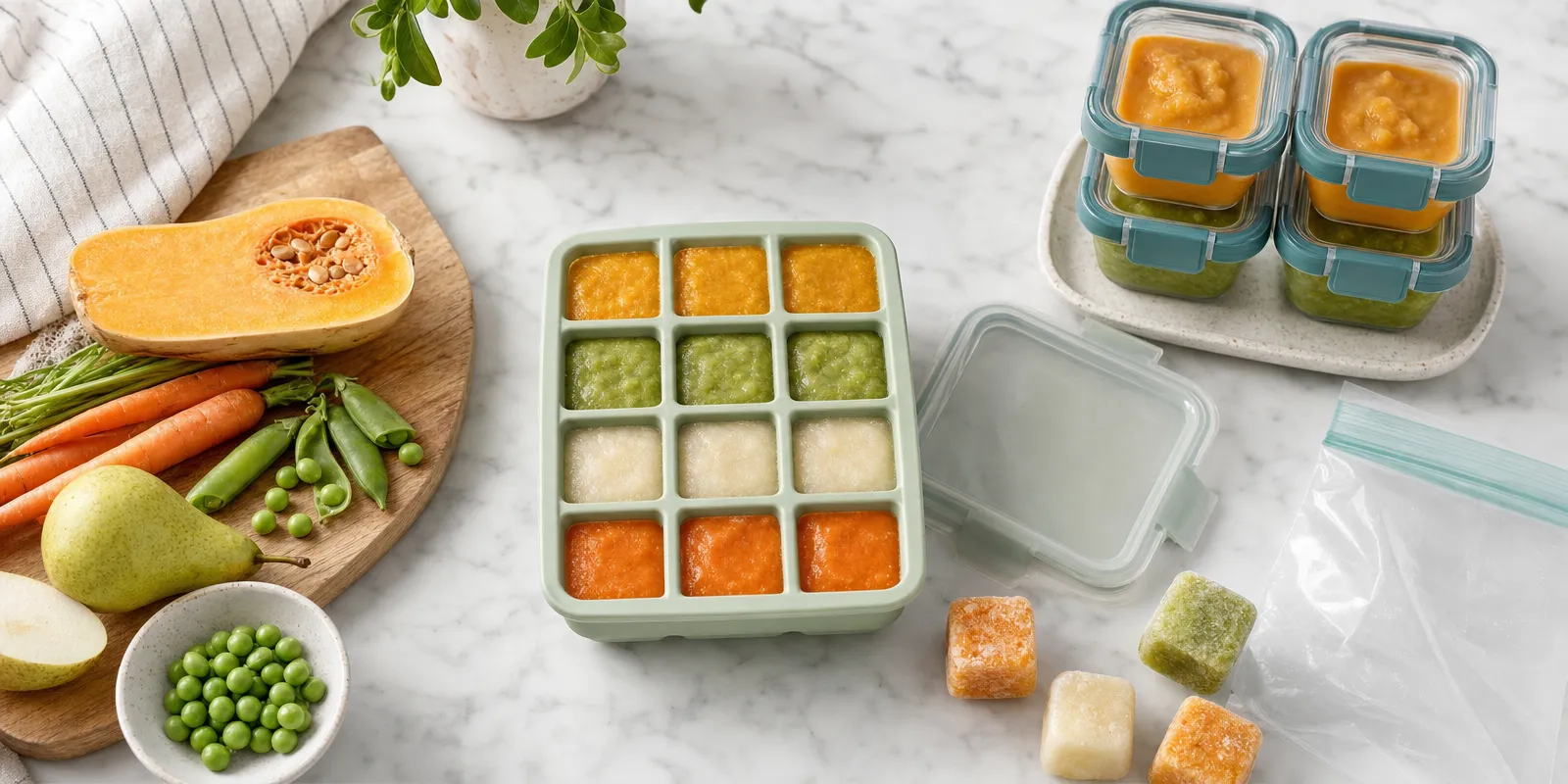
FeedingCover Image for The Best Baby Food Storage Containers and Freezer Trays

The Best Baby Food Storage Containers and Freezer Trays

The containers are nearly interchangeable. The storage times are not, and they are shorter than most parents think. Here is what the FDA actually says about how long a puree keeps, plus the five containers and trays worth buying to act on it.

Updated Oct 20265 picksRead →
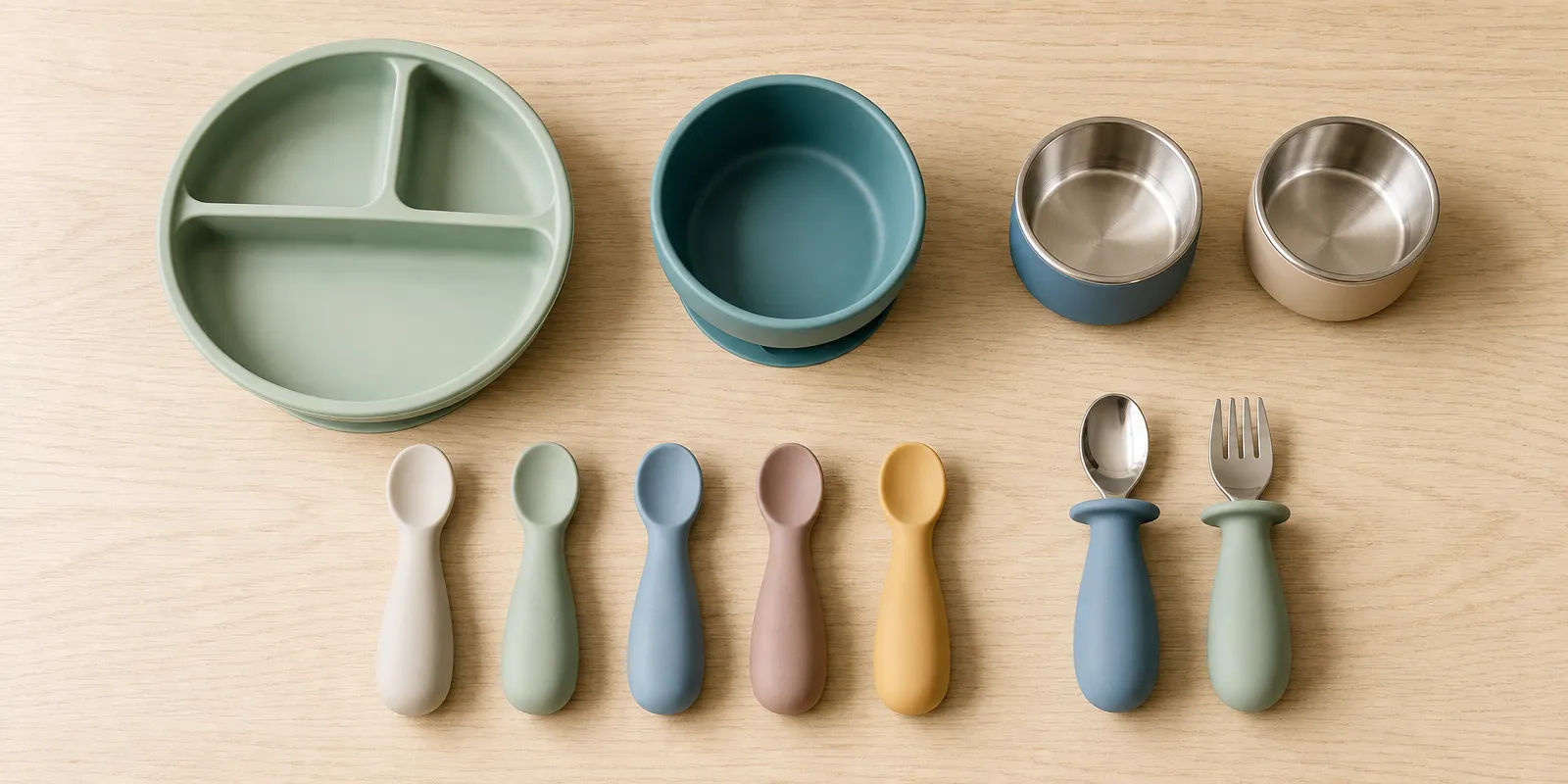
FeedingCover Image for The Best Baby Plates, Bowls, and First Spoons

The Best Baby Plates, Bowls, and First Spoons

Almost every baby plate works. What actually differs is the base type, the number of pieces, and whether the spoon handle is sized for your hand or your baby's — plus six picks and the three items you really need.

Updated Oct 20266 picksRead →
FeedingCover Image for Heavy Metals in Baby Food: What the Rules Actually Require Now

Heavy Metals in Baby Food: What the Rules Actually Require Now

Lead, arsenic and cadmium come out of the soil, not out of a factory — so brand-switching is the wrong lever. Here are the actual FDA numbers, the state laws that put test results on the box, and the three rotation habits that do more than any label.

Updated Oct 20263 picksRead →
FeedingCover Image for How Much Solid Food by Age (and How Milk Fits Around It)

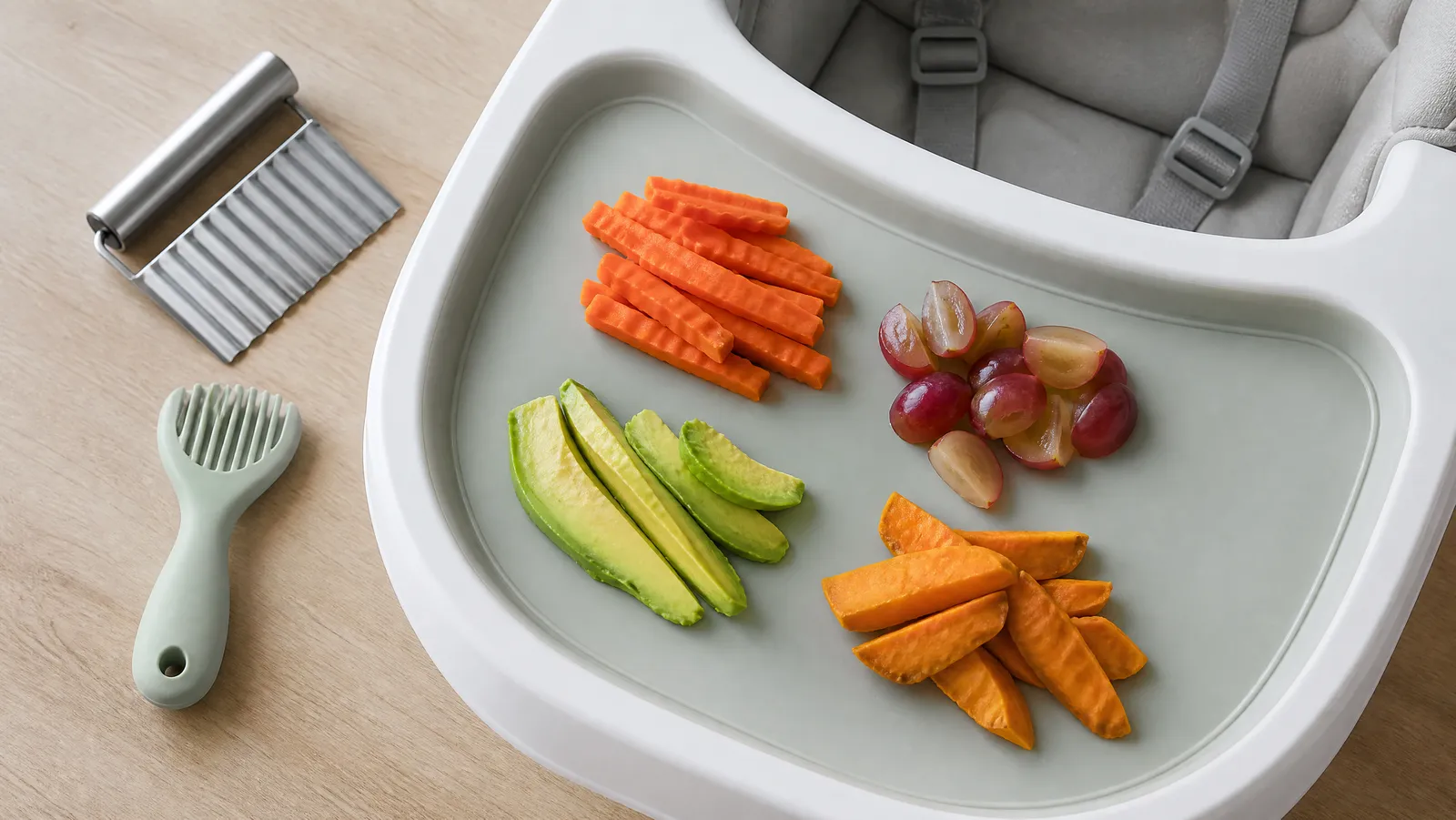
How Much Solid Food by Age (and How Milk Fits Around It)

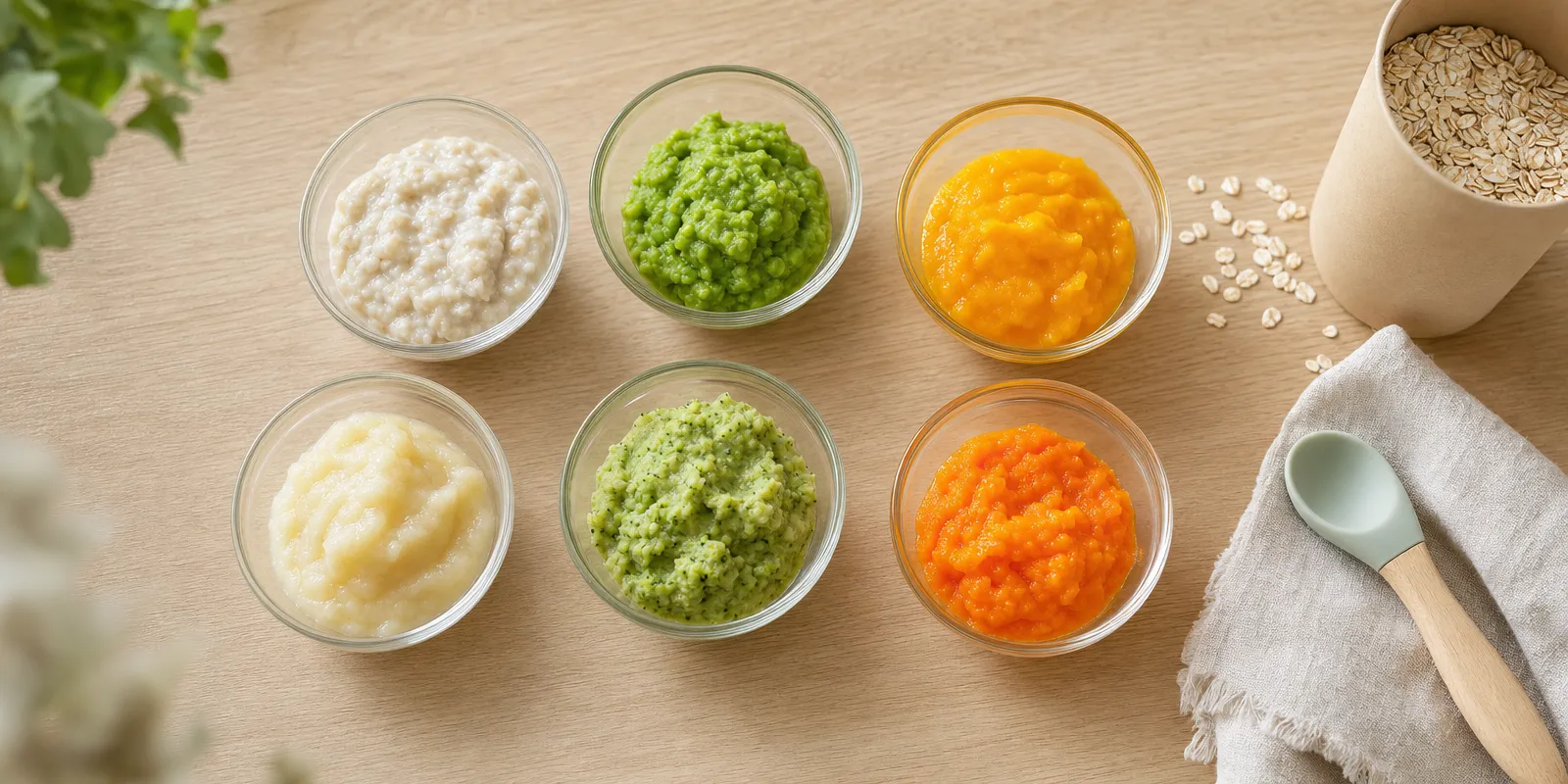
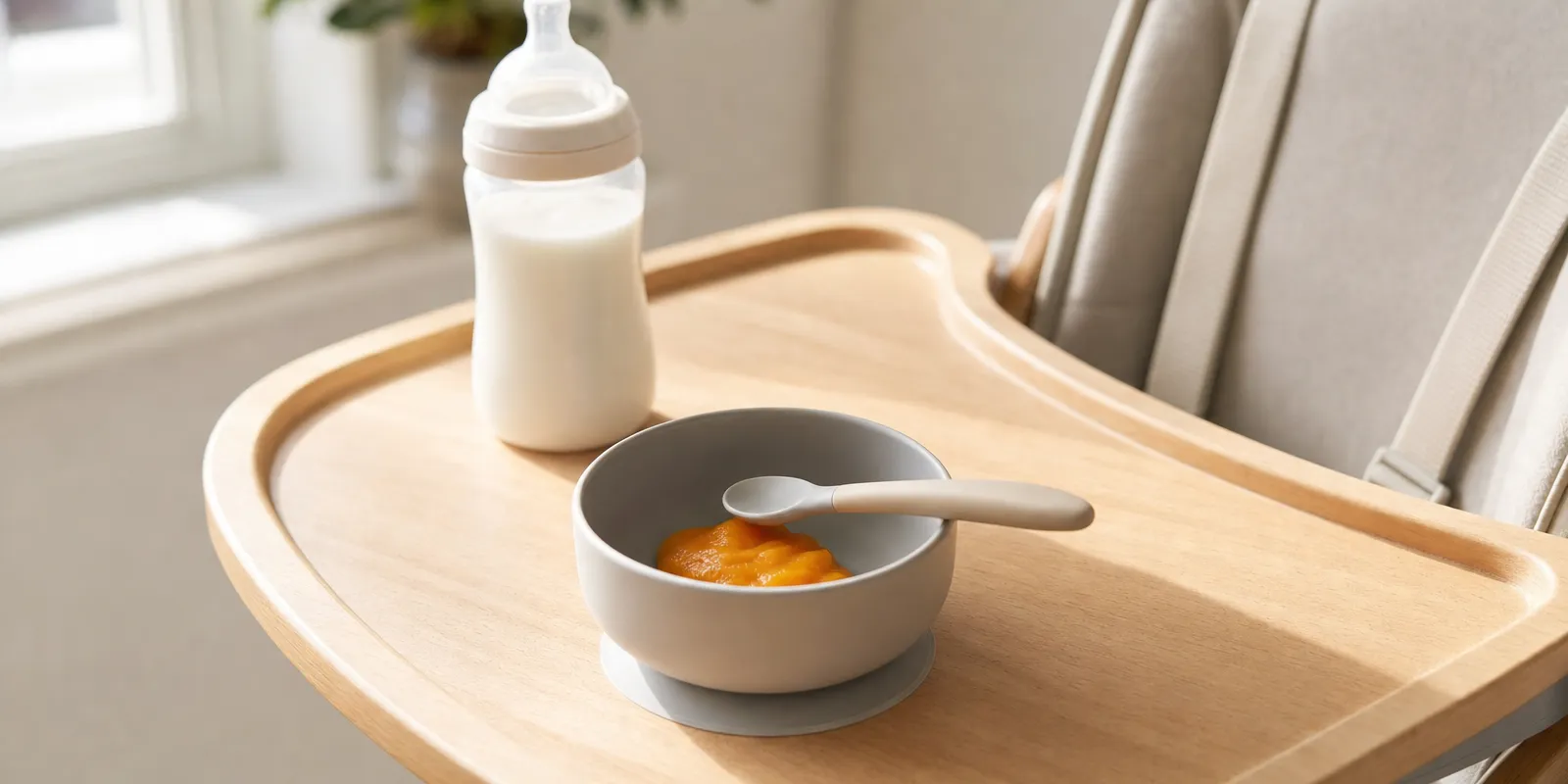
Sourced portion sizes and meal counts for every age band from six to twelve months, plus the part most charts leave out — how much breast milk or formula is still doing the work while your baby eats two teaspoons of pear.

Updated Oct 20263 picksRead →
FeedingCover Image for Baby-Led Weaning vs Purees: How to Choose (or Do Both)

Baby-Led Weaning vs Purees: How to Choose (or Do Both)

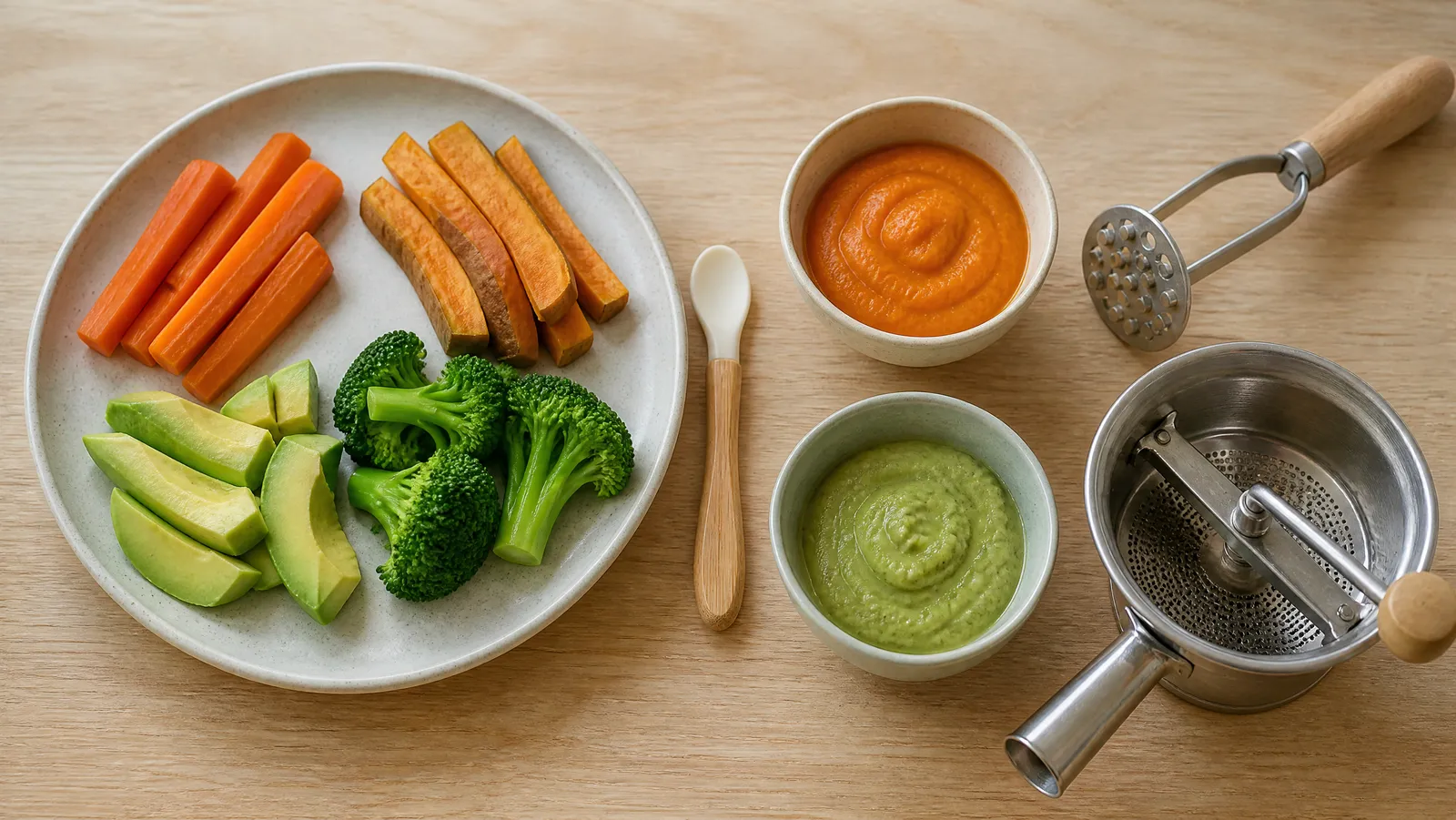
Baby-led weaning and purees get sold as an identity choice. They are not — they are a question about texture and who holds the spoon. Here is what the evidence actually says about choking, iron and fussy eating, and why most families end up doing some of both.

Updated Sep 20263 picksRead →
FeedingCover Image for Baby's First Foods — and the Short List of What to Avoid

Baby's First Foods — and the Short List of What to Avoid

The AAP says your baby's first foods are your choice. Here is what the iron-and-zinc priority actually means, the genuinely short avoid list with a source for every item, and why rice cereal stopped being the default.

Updated Sep 20263 picksRead →
FeedingCover Image for Gagging vs Choking: How to Tell the Difference at the Table

Gagging vs Choking: How to Tell the Difference at the Table

Gagging is loud and normal. Choking is usually silent and is not. Here is how to tell them apart in real time, the food shapes that cause the most trouble, and the handful of changes that actually lower the risk.

Updated Sep 20263 picksRead →
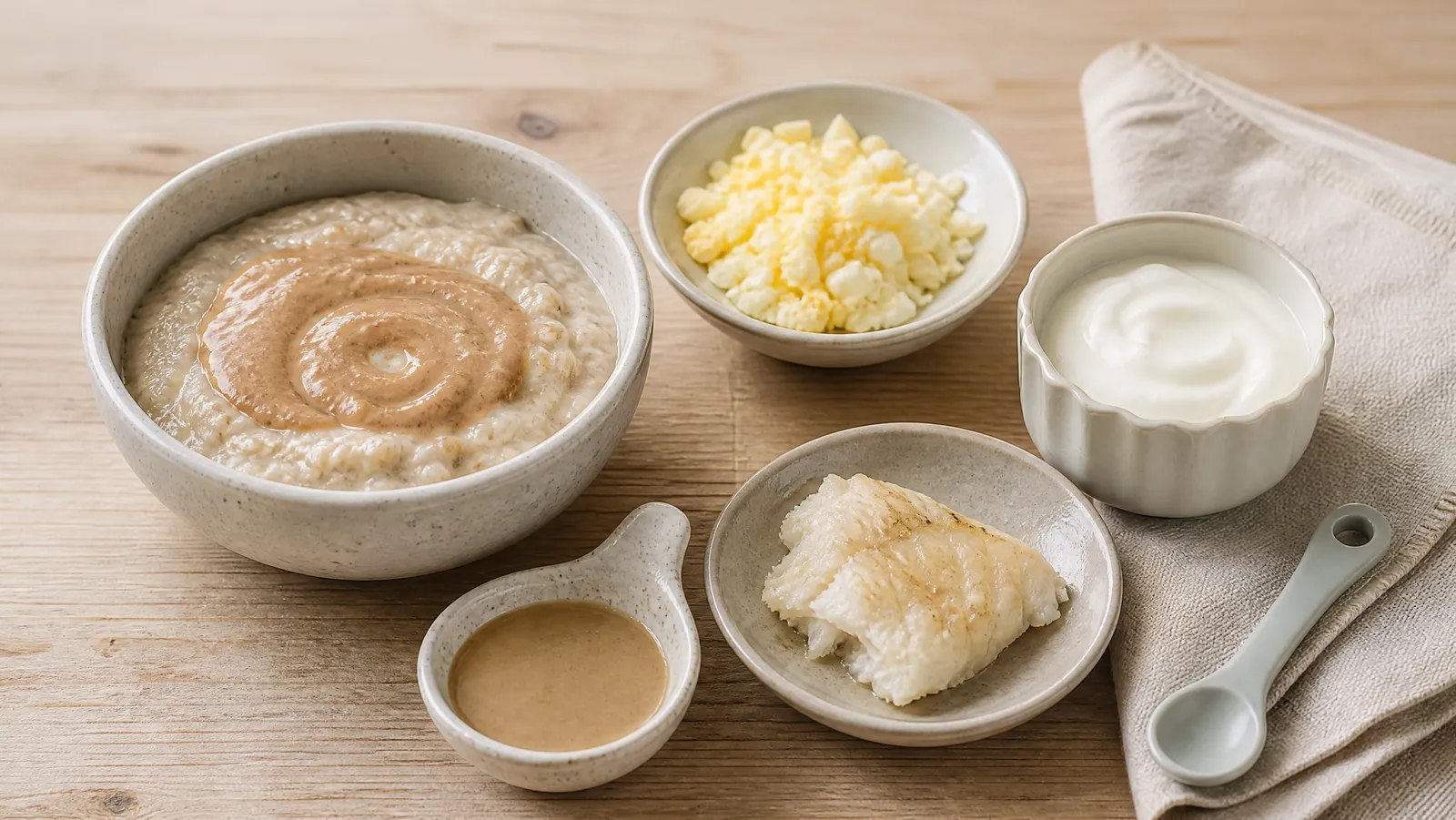
FeedingCover Image for Introducing Peanut, Egg, and the Other Common Allergens

Introducing Peanut, Egg, and the Other Common Allergens

The advice on introducing allergens to baby reversed inside one generation, and it reversed for a good reason. Here is the trial that changed it, the three risk tiers, and what a first serving of each of the nine allergens actually looks like.

Updated Sep 20263 picksRead →